


Trade shows are high-pressure environments. Booth space is expensive, schedules are tight, and there is little tolerance for mistakes. When shipping goes wrong, the impact is immediate. Missed setup times, damaged displays, and unexpected fees can undermine months of planning in a single day.
These trade show shipping tips are built for exhibitors who want certainty. Whether you are moving a custom booth across provinces or shipping products across the Canada–United States border, trade show freight requires a level of planning that standard commercial shipping does not.
Why Trade Show Shipping Is Different from Standard Freight
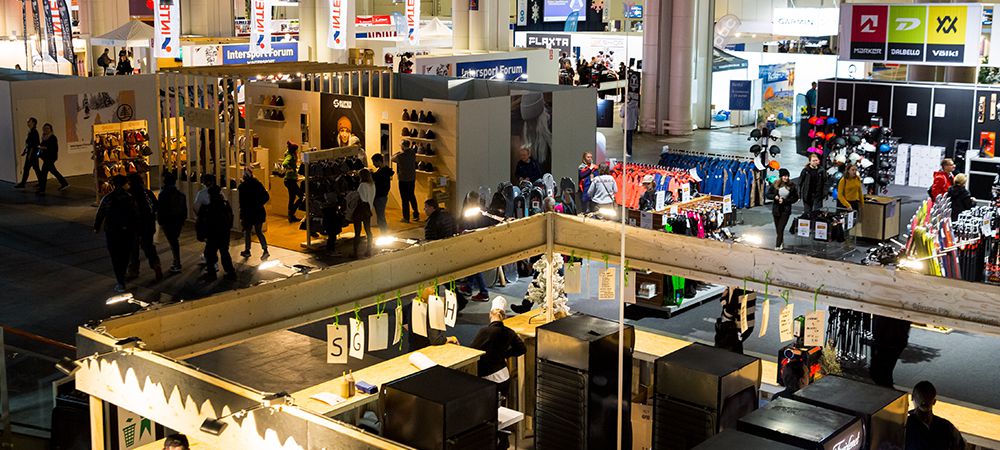
Trade show freight operates inside controlled environments. Convention centres, exhibition halls, and temporary venues all run on fixed schedules that leave no flexibility once doors open. Freight is not delivered when it arrives; it is delivered when the venue allows it.
Unlike warehouse or retail shipping, trade show deliveries involve marshalled docks, assigned time slots, and third-party handlers. Freight may be unloaded, staged, moved again, and stored before it ever reaches your booth. Each step introduces risk if the shipment is late, incorrectly labelled, or packaged without repeated handling in mind.
Understanding this difference is the foundation of successful trade show shipping.
Related Article: How to Negotiate Freight Rates
Start Shipping Planning as Soon as Booth Design Is Finalized
One of the most costly mistakes exhibitors make is treating shipping as a final task. In reality, logistics planning should begin as soon as booth dimensions, weights, and materials are confirmed.
Trade show timelines are backward-facing. Advance warehouse deadlines may fall weeks before the show opens, and missing them can force direct-to-show delivery with higher risk and cost. Cross-border shipments require additional time for documentation, inspection, and potential border delays.
Early planning allows time to:
- Book experienced carriers before capacity tightens
- Choose the right delivery method
- Confirm labour and handling rules
- Build realistic setup schedules
Shipping decisions made late often result in rushed freight, premium charges, and limited recovery options.
Choosing Between Advance Warehouse and Direct-To-Show Delivery
Most major trade shows offer two delivery paths. The choice affects cost, stress level, and schedule flexibility.
Advance Warehouse Delivery
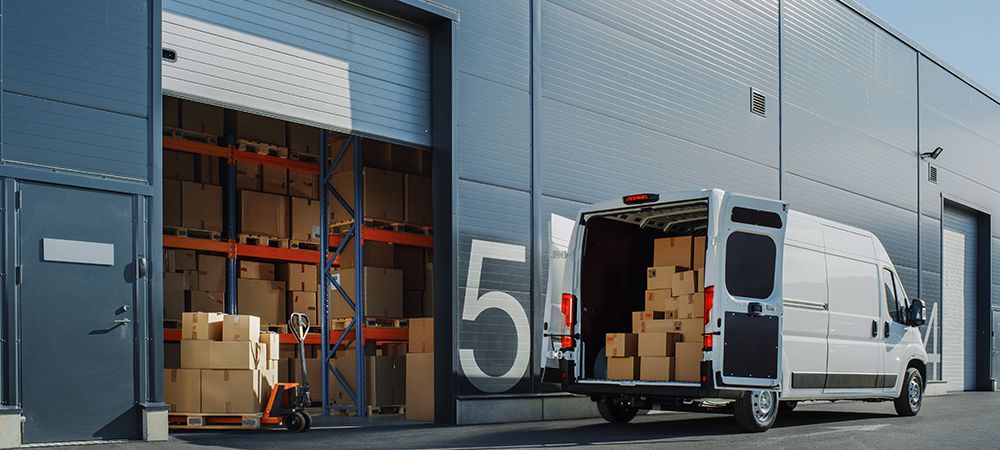
Advance warehouses receive freight before the show and hold it until your scheduled move-in. This option provides breathing room and is often the safest choice for large or complex exhibits.
It is particularly valuable for cross-border shipments, where customs clearance timing is less predictable. While storage fees apply, advance delivery reduces the risk of missing narrow dock windows and allows freight to be staged efficiently.
Related Article: How Does Cross-Border Shipping Work?
Direct-To-Show Delivery
Direct delivery sends freight straight to the venue during your assigned time. This approach can reduce storage costs but leaves no margin for error. Traffic delays, weather issues, or dock congestion can quickly cascade into missed setup windows.
Direct delivery is best suited to smaller, local shipments where timing can be tightly controlled.
Packaging Built For Repeated Handling and Venue Conditions
Trade show freight is rarely handled gently. Crates may be moved by forklifts, stacked, rolled, and stored in busy dock areas. Packaging that works for one delivery often fails under these conditions.
Professional trade show packaging focuses on durability and protection over appearance. Custom crates, reinforced cases, and internal bracing reduce damage risk across multiple handling points.
Water resistance is equally important. Freight may sit on docks or outdoor staging areas where exposure is unavoidable. Packaging should assume moisture, vibration, and impact, not ideal conditions.
Clear Labelling Prevents Costly Misrouting
Trade show docks process hundreds of shipments daily. Clear, consistent labelling is essential for correct routing.
Every piece should display:
- Exhibitor name exactly as registered
- Booth number
- Event name and venue
- Delivery type clearly marked
- On-site contact details
Labels should be visible on multiple sides and protected against tearing or moisture. Poor labelling increases the chance of freight being staged incorrectly or delayed in marshalling areas.
Labour Rules and Venue Restrictions Matter More Than Most Expect
Many exhibitors assume they can unload and position their own freight. In many venues, this is not permitted. Union labour rules may require licensed handlers to unload, move, or install freight.
Failure to understand these rules leads to:
- Unexpected labour charges
- Delays during peak move-in hours
- Fines for non-compliance
Reviewing the exhibitor manual and confirming labour requirements in advance prevents surprises and allows accurate budgeting.
Understanding Drayage and Material Handling Fees
Drayage refers to the movement of freight from the dock to your booth and back out after the show. It is charged based on weight, not distance, and is often one of the largest trade show expenses.
Reducing drayage costs requires intentional planning. Consolidating shipments, minimizing crate weight, and eliminating unnecessary packaging all help control fees. Accurate weight declarations are critical, as underreporting often leads to penalties or reweigh charges.
Related Article: How Much Does Trade Show Shipping Cost?
Cross-Border Trade Shows Require Specialized Planning
Shipping exhibits across the Canada–United States border adds complexity. Booth materials are often classified as temporary imports, requiring proper documentation to avoid duties or delays.
Accurate commercial invoices, clear commodity descriptions, and proof of return are essential. Border holds can derail tight move-in schedules if paperwork is incomplete or inconsistent.
RoadLINX supports cross-border trade show freight with coordinated documentation, customs handling, and time-sensitive delivery across North America.

Carrier Selection Makes or Breaks Trade Show Shipping
Not all carriers understand exhibition freight. Trade show logistics demand appointment precision, dock coordination, and communication under pressure.
Experienced carriers anticipate venue congestion, understand advanced warehouse protocols, and adjust quickly when schedules change. This experience reduces risk and keeps freight moving even when conditions shift.
Plan Return Shipping Before the Show Opens
Return freight is often overlooked until teardown, when time and clarity are limited. Planning return logistics in advance ensures freight leaves the venue on schedule and returns to the correct destination.
Return labels, pickup windows, and destination instructions should be finalized before the show begins. Clear planning prevents misrouted shipments and storage charges.
Technology Improves Visibility and Decision-Making
Modern trade show shipping benefits from real-time tracking, digital documentation, and automated alerts. These tools provide visibility during critical move-in periods and allow quick response if issues arise.
Access to shipment status and delivery confirmation reduces guesswork and improves coordination between teams on-site and off-site.
Common Trade Show Shipping Mistakes to Avoid
Even experienced exhibitors repeat the same errors:
- Shipping too late for the advanced warehouse deadlines
- Underestimating handling and drayage costs
- Using packaging not designed for repeated handling
- Choosing carriers without trade show experience
- Leaving return shipping decisions until teardown
Avoiding these mistakes protects both the budget and the schedule.
When Managed Trade Show Logistics Makes Sense
For large exhibits, multi-city tours, or cross-border events, professional logistics support reduces risk. Managed shipping provides coordinated planning, documentation accuracy, and cost control under tight timelines.
This approach allows exhibitors to focus on engagement and results instead of freight issues.
Next Steps For Stress-Free Trade Show Shipping
Trade shows allow little margin for error. Missed delivery windows, damaged exhibits, or customs delays can quickly turn a planned event into a costly problem. The difference between a smooth setup and a chaotic one often comes down to logistics experience.
RoadLINX supports exhibitors with time-sensitive trade show shipping across Canada and the United States, including advance warehouse delivery, cross-border documentation, and return freight planning. With the right preparation and carrier support, your booth arrives ready, on schedule, and without last-minute surprises.

Planning an upcoming trade show?
Speak with the RoadLINX team to review timelines, delivery options, and cost controls before shipping begins.
Contact RoadLINX today to plan your trade show freight with confidence.
Frequently Asked Questions
How far in advance should trade show freight be shipped?
Most advanced warehouses accept freight two to four weeks before the event. Earlier shipping reduces risk and allows time to resolve issues.
What is the most overlooked trade show shipping cost?
Drayage and material handling fees often exceed transportation costs and should be reviewed early.
Can trade show freight be insured separately?
Yes. Supplemental insurance is often recommended for high-value exhibits beyond standard carrier coverage.
Do all venues require union labour?
No, but many do. Always confirm labour rules in the exhibitor manual.
Can I reuse trade show crates for multiple events?
Yes. Durable, reusable crates reduce long-term costs and protect freight across multiple shows.