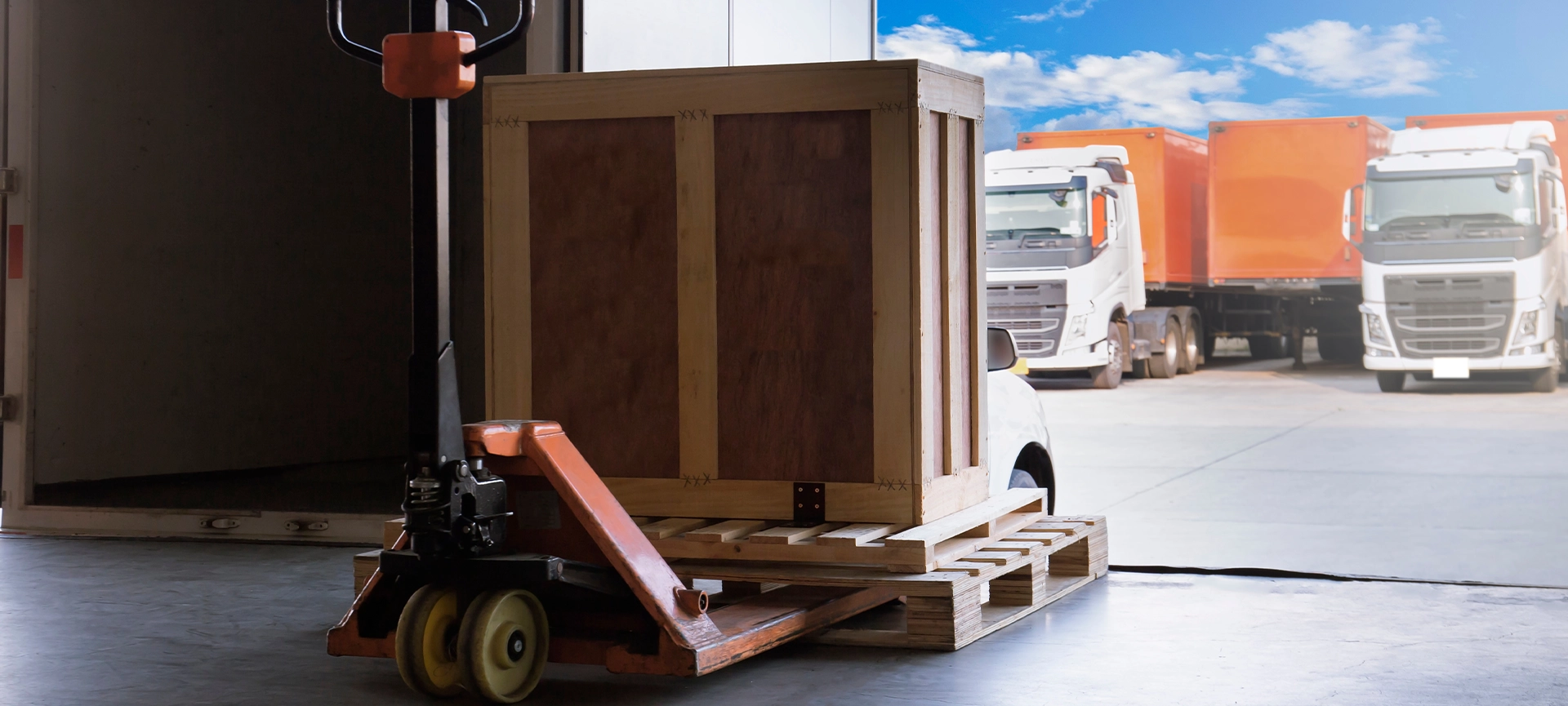
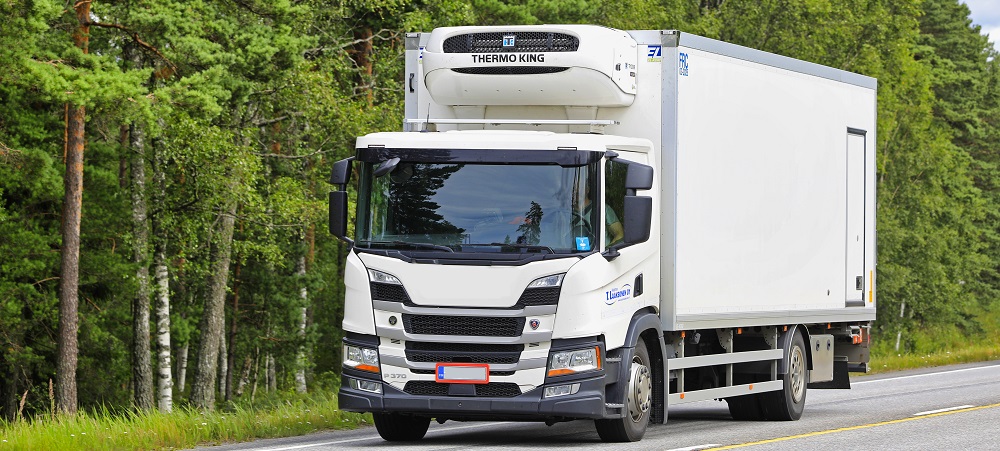

Temperature-controlled transportation is the method of shipping climate-sensitive goods. Of course, if you run a business that sells perishable goods or temperature-sensitive products, you want your products to stay in good shape. If you have a flower shop business, it’s your job to maintain your flowers’ blooming and freshness even after a series of transports. If you have a chocolate and sweets business, of course, you won’t like to see your goods melting along the way.
These items are only some of the items that require special handling and storage during transport. It’s your responsibility to maintain your goods at a stable temperature from the dock to the delivery point.
When you have temperature-sensitive products to move, you have to make sure it is safe and protected. Fortunately, there is a reefer transport where your items can enjoy the benefits of climate-controlled transportation. With the features of temperature-controlled transportation, you can ensure unaffected delivery. Besides, you can prevent having to throw away damaged items if you choose climate-controlled protection.
Although the cost of hiring temperature-controlled trucks may be expensive at first, it’s all worth it. Just build a strong temperature-controlled shipment strategy to make it more useful and worthy of your money.
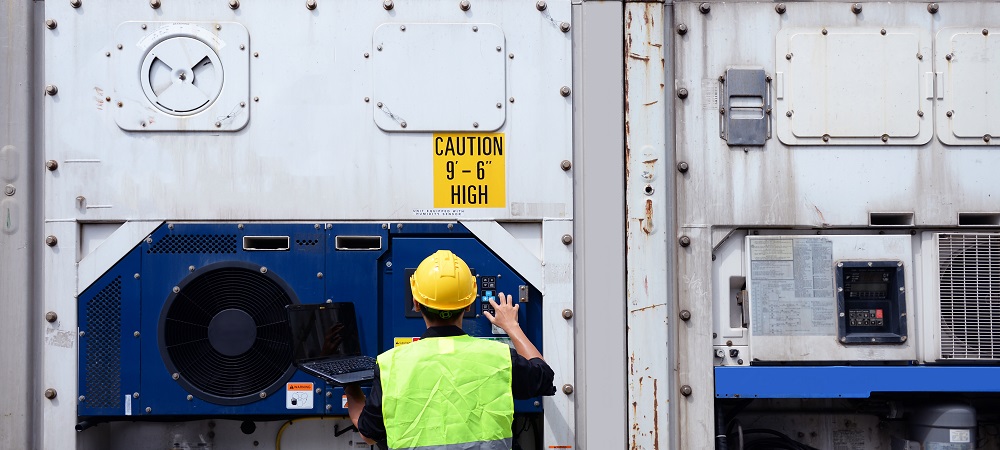
Benefits of Temperature-Controlled Transportation
Thousands of perishable items such as food, goods and pharmaceuticals are shipped worldwide every day. As a supplier, your number one priority is to maintain your product’s freshness during the transport process.
However, arriving at the best strategy can be tricky, particularly if not handled with expertise. That’s why many business owners are turning to temperature-controlled transportation. It is one of the rising trends in the logistics and transport industry nowadays. This is because it offers multiple benefits and offers reliable, high-tech transport solutions.
Below are some of the features of temperature-controlled transportation.
Prioritizing Freight Temperature Sensitivity and Value.
To get the most efficient and cost-effective transport system in place, you must first identify your critical transportation needs. Not all items require the same freight delivery needs. For example, perishable goods require temperature stability, protection and more security requirements.
For less sensitive items, standard shipping options may be ideal, appropriate and more practical. However, perishable items can’t stand that. The more influence temperature has on an item’s stability, the more impact it is likely to have on the overall cost. But you can rest assured that with temperature-controlled transportation, your perishable items are safe and being valued. It will become more cost-effective if applied with a tailored logistics approach.
Keep Freight In a Temperature-controlled Environment
It’s important to know that refrigerated truck freight has less capacity. It would be best if you considered your packaging limits to the smaller inside space. But with temperature-controlled trucks, you can highly secure temperature-sensitive goods and items.
These trucks can ensure product quality by keeping the shipment in a temperature-controlled environment. Drivers are also advised to keep doors closed until the last possible moment to minimize temperature alteration inside the trailer, thereby maintaining the cold/warm climate.

Best Packaging Fit.
One of the main features of temperature-controlled transportation is its ability to provide adequate packaging. Your perishable items are most likely to be exposed to extreme temperatures or humidity. However, since temperature-controlled trucks provide careful packaging, your items are safe and sound.
Insulation is also recommended to lessen the transfer of heat through packaging container walls. Whereas, for some cool temperature-sensitive items, dry ice or gel coolants are ideal. Gel coolants are preferable over wet ice during transport because wet ice is heavier. It is also suggested to freeze coolants, items and the insulated container before packaging.
However, if you use dry ice to control temperature, you have to provide correct classification, identification, labelling and markings on the outer packaging. Dry ice is considered a hazardous material for air transport and requires special and proper handling.
When shipping frozen items, it’s also recommended to have material like pads or cellulose wadding at the bottom of the packaging. It is done to absorb any liquids.
Related article: Where to Obtain Efficient Transportation Services
How Much Does it Cost to Hire Temperature-controlled Trucks?
Are you planning to hire a Temperature-controlled truck? If so, you need the answer to how much is the cost of hiring temperature-controlled trucks in Canada and the USA.
To give you an idea, an automatic and power steering 16′ refrigerated rental truck is around $150 to $2,000. The cost depends on the size of the truck, days to rent, distance and other truck specifications.

Final Thoughts
Numerous logistics companies offer temperature-controlled transportation. However, it’s vital to choose a company with proper transport equipment for multiple and integrated options. Besides, as a business owner, you need to consider a lot of factors revolving around who will be handling your temperature-sensitive shipments.
Still, have questions about the cost of hiring temperature-controlled trucks and their benefits? Call Roadlinx today at 905-760-1141.