Skip links
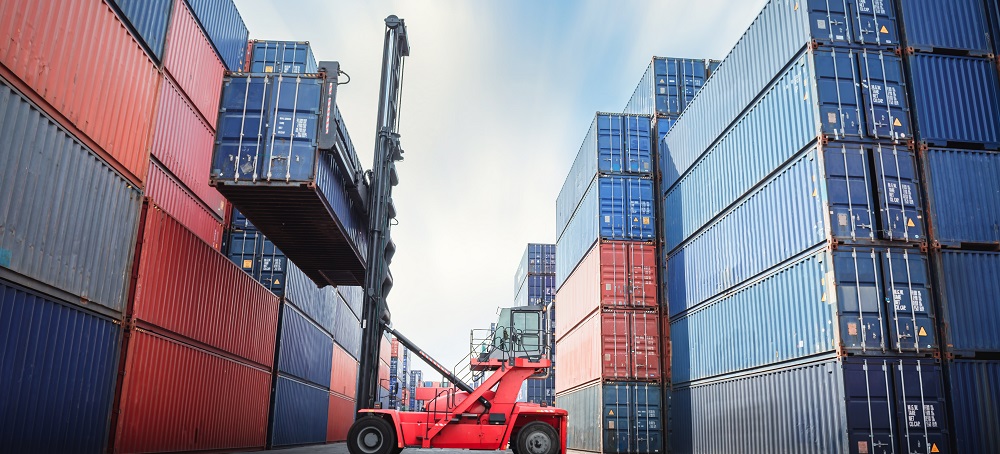
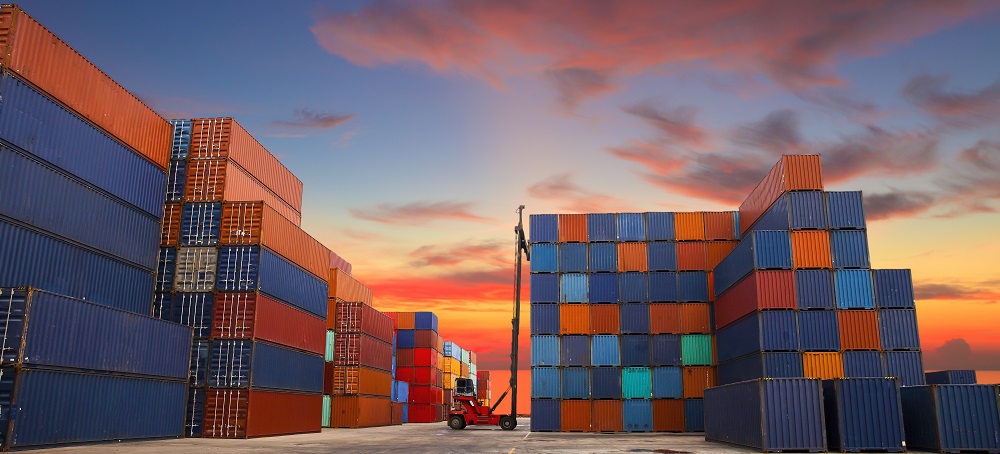
Red cargo containers with empty blank text for advertising mockup template on crane in depot warehouse with sky background. Business industrial and transportation concept.

Types of Intermodal Containers: All You Need To Know

Intermodal containers are the backbone of modern global logistics, enabling goods to move seamlessly across multiple transportation modes—such as ships, trains, and trucks—without unloading and reloading the cargo inside. This efficient system streamlines supply chains, reduces costs, and supports global trade.

Intermodal transport typically involves shipping containers that can be transferred easily between truck chassis, rail cars, and cargo ships, making it highly effective for moving millions of containers annually worldwide. Understanding intermodal containers, their types, benefits, and how they fit into your logistics strategy is essential for optimizing your supply chain.

What Are Intermodal Containers?

Intermodal containers, often called ISO containers or shipping containers, are large standardized metal boxes designed for intermodal freight transport. They conform to ISO standards, ensuring uniform dimensions and corner fittings that allow easy transfer between various transport modes without unloading the cargo.

These containers serve as secure storage units for materials and products, facilitating efficient and safe global transportation. They are known by various names: cargo containers, freight containers, sea containers, container vans, and sometimes conex boxes.

All You Need to Know About Intermodal Containers

Types of Intermodal Containers

Choosing the right container depends on your cargo type and transportation needs. Here are the most common types of intermodal containers:

Dry Freight Containers (Standard Containers)

The most common container type, dry freight containers, are fully enclosed with solid roofs and lockable double doors. They are airtight and water-tight, suitable for transporting general cargo such as consumer goods, textiles, and machinery.

High Cube Containers

High cube containers are similar to standard dry containers but taller by about one foot (9’6″ height), offering extra vertical space for lightweight or bulky cargo. They are widely used in international shipping for increased volume capacity.

Refrigerated Containers (Reefers)

Refrigerated containers are insulated and equipped with temperature control units totransport perishable and temperature-sensitive goods like food, pharmaceuticals, and chemicals. They maintain temperatures ranging from -65ºC to 40ºC.

Open-Top Containers

Open-top containers lack a solid roof and are covered with heavy-duty tarps. They allow loading of oversized or tall cargo that cannot fit through standard doors, such as large machinery or construction materials.

Flat Rack Containers

Flat rack containers have collapsible or no side walls, with sturdy end walls designed to carry wide or heavy cargo like pipes, vehicles, and industrial equipment. They allow loading from the top or sides.

Tank Containers

Tank containers are cylindrical tanks within a rectangular steel frame, designed for transporting bulk liquids, gases, and powders. They comply with safety standards and are handled like standard containers.

Open Side Containers

Open side containers feature large doors on one or both sides, providing easy access for loading and unloading bulky cargo that may not fit through end doors.

Tunnel Containers

Tunnel containers have doors at both ends, allowing loading and unloading from either side, suitable for long cargo requiring quick access.

Specialized Containers

Beyond the common types, there are specialized containers designed for unique cargo needs. These include ventilated containers for cargo requiring airflow, insulated containers without active cooling, and containers customized for heavy machinery or hazardous materials.

Related Article: Types of Containers and How Stuffing Methods Vary

Freight containers

Benefits of Intermodal Containers

Using intermodal containers provides numerous advantages for shippers and supply chains:

  • Time-Efficient and Effort Saving: Load cargo once and transport it seamlessly across multiple transport modes without repeated handling.
  • Cost-Effective: Shippers save money by reducing labour, handling, and transit time costs, avoiding unnecessary miles, and benefiting from significant cost savings.
  • Increased Capacity: Enables transporting large volumes efficiently with fewer containers.
  • Reliable and Secure: Built to ISO standards with corrugated steel construction, containers protect cargo from damage and theft; tracking technologies enhance visibility.
  • Environmentally Friendly: Combining transport methods like rail and ship reduces carbon footprint compared to road transport alone.
  • Supports Global Supply Chains: Facilitates just-in-time delivery and global sourcing by standardizing shipping processes.
  • Flexibility: Compatible with various transport modes, including truck chassis, rail ramps, and container ships.
  • Handling Non-Bulk Cargo: Approximately 90% of non-bulk cargo worldwide is transported using intermodal containers, emphasizing their critical role in global trade.

How Intermodal Containers Work in the Shipping Process

Once loaded and sealed, an intermodal container becomes a single unit of containerized freight that travels through multiple transport modes—ship, rail, and truck—without unpacking. This reduces handling time and damage risk.

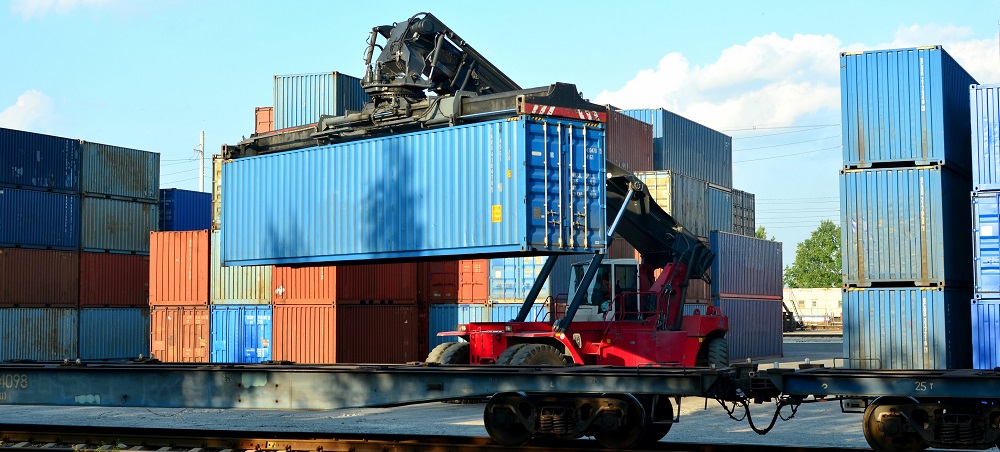
At ports and distribution centers, containers are transferred from container ships to rail cars or trucks using cranes and specialized equipment. Rail companies operate double-stacked containers on well cars to maximize efficiency. Trucks equipped with chassis carry containers for last-mile delivery to the final destination.

All You Need to Know About Intermodal Containers

Domestic vs. International Intermodal Containers

  • International Shipping Containers: Typically 20 or 40 feet long, standardized for ocean shipping and worldwide transport. They comply with ISO standards and are used by commercial shipping operators and steamship lines.
  • Domestic Containers: Commonly 53 feet long, used primarily in North America for rail and truck transport. They offer greater volume but are not designed for ocean transport and are central to domestic intermodal shipments.

Forty-five-foot containers

While less common, forty-five-foot containers are used in some international shipping routes to provide additional capacity between standard 40 and 53-foot containers.

Key Players in Intermodal Shipping

  • Freight Forwarders and Intermodal Marketing Companies (IMCs): Coordinate shipments across multiple transport modes, arranging container bookings, drayage, and transloading.
  • Rail Companies: Operate rail terminals, rail ramps, well cars, and manage double-stacked containers.
  • Commercial Shipping Operators: Manage container ships and global shipping routes.
  • Truck Operators: Provide truck chassis and drayage services for container pickup and delivery.

Optimizing Your Use of Intermodal Containers

To maximize the benefits of intermodal shipping:

  • Select the appropriate container type based on cargo characteristics.
  • Work with experienced freight forwarders and IMCs for seamless coordination.
  • Plan for container weight distribution to comply with axle and rail limits.
  • Use tracking and monitoring tools to maintain visibility throughout the shipping process.
  • Consider high cube containers for voluminous cargo to reduce the number of containers needed.
  • Utilize empty container repositioning strategies to reduce costs associated with one free container or free container periods.

The Role of Standardized Containers in Modern Logistics

Standardized containers have revolutionized global logistics by enabling the efficient movement of cargo using various transport methods. The use of standardized shipping containers ensures compatibility across transport modes and infrastructure, such as rail ramps and truck chassis, facilitating smooth transitions and reducing delays.

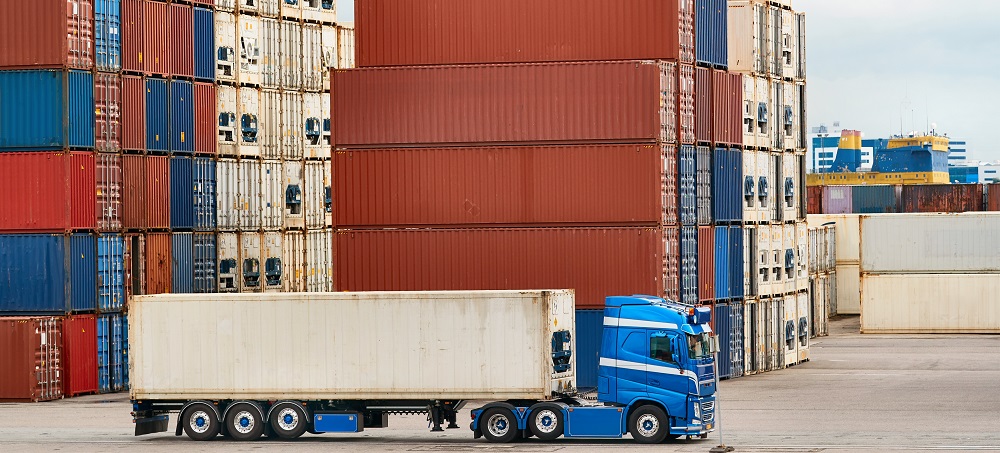
standardized intermodal container on truck

Frequently Asked Questions About Containers

  1. What is the difference between ISO containers and conex boxes?
    ISO containers are standardized shipping containers built to international specifications for global transport. Conex boxes are older military-style containers, smaller and less standardized, primarily used by the U.S. military.
  2. How do high cube containers benefit shippers?
    High cube containers provide an extra foot of height, increasing volume capacity for lightweight or bulky cargo, allowing shippers to transport more goods with fewer containers.
  3. Can refrigerated containers be used in all transport modes?
    Yes, refrigerated containers (reefers) can operate on ships, trucks, and rail, using external power sources like ship power or diesel generators to maintain temperature control.
  4. What is double stacking in rail transport?
    Double stacking involves stacking two containers vertically on specialized well cars, increasing cargo capacity per train and improving efficiency in intermodal freight transport.
  5. How do intermodal containers reduce environmental impact?
    By utilizing multiple transport modes such as rail and ship, which are more fuel-efficient than road transport, intermodal containers lower greenhouse gas emissions and reduce the overall carbon footprint.
  6. What are domestic intermodal shipments?
    Domestic intermodal shipments refer to the movement of containers within a country, typically using 53-foot domestic containers on rail and truck, providing cost-effective alternatives to full truckload shipping.
  7. Why is corrugated steel used in container construction?
    Corrugated steel adds rigidity and strength to container walls and roofs, allowing them to withstand stacking loads and harsh weather during transport while keeping the container lightweight.
  8. What is a twenty-foot equivalent unit (TEU)?
    A TEU is a standard measure of containerized freight capacity, equivalent to one 20-foot container. It helps quantify and compare cargo volumes across different container sizes.
  9. How do transport methods impact container shipping efficiency?
    Using multiple transport methods—ship, rail, truck—allows shippers to optimize cost and speed by leveraging the strengths of each mode, improving overall supply chain efficiency.
  10. What is a free container or one free container period?
    A free container period is a set time during which shippers can use a container without incurring storage or demurrage fees, helping reduce costs when managing containerized freight.

Key Takeaways

Intermodal containers are essential for efficient, cost-effective, and secure freight transport across global supply chains. Their standardized design allows seamless movement between transport modes, supporting international trade and reducing environmental impact.

For businesses looking to optimize their logistics, understanding container types and working with experienced partners is crucial to achieving significant cost savings and operational efficiency.

If you’re ready to streamline your supply chain with reliable intermodal shipping, contact Roadlinx today for expert guidance and free estimates on intermodal transport services in Toronto and beyond. Call 905-760-1141 or email ian@roadlinx.com to get started!

Leave a comment