
The cost for shipping cargo is always an expense that businesses must regularly put focus on. Especially for newly opened companies who need to promote customer satisfaction by having their customers’ item delivered. Normally, a newly opened company always has issues when it comes to budgeting. With the shipping of goods becoming an additional expense, a business needs all the help it can get to cut down on its costs during its early years of operation. Less-than-truckload shipping (LTL) can be a way to help small businesses survive while covering for shipping expenses. This will be discussed further, which also includes the average cost that would be incurred.
Related article: Full Truckload vs Less Than Truckload Services
Shipping Methods
Choosing between which shipping method to use may be a simple thing to consider. However, with certain hindrances faced by smaller or newly-opened businesses, the decision when choosing between availing a less-than-truckload shipping service (LTL) or a full-truckload shipping service (FTL) can become complicated and would need to be studied further. LTL shipping has its own distinct characteristics when compared to FTL shipping.
Item Quantity to be Shipped
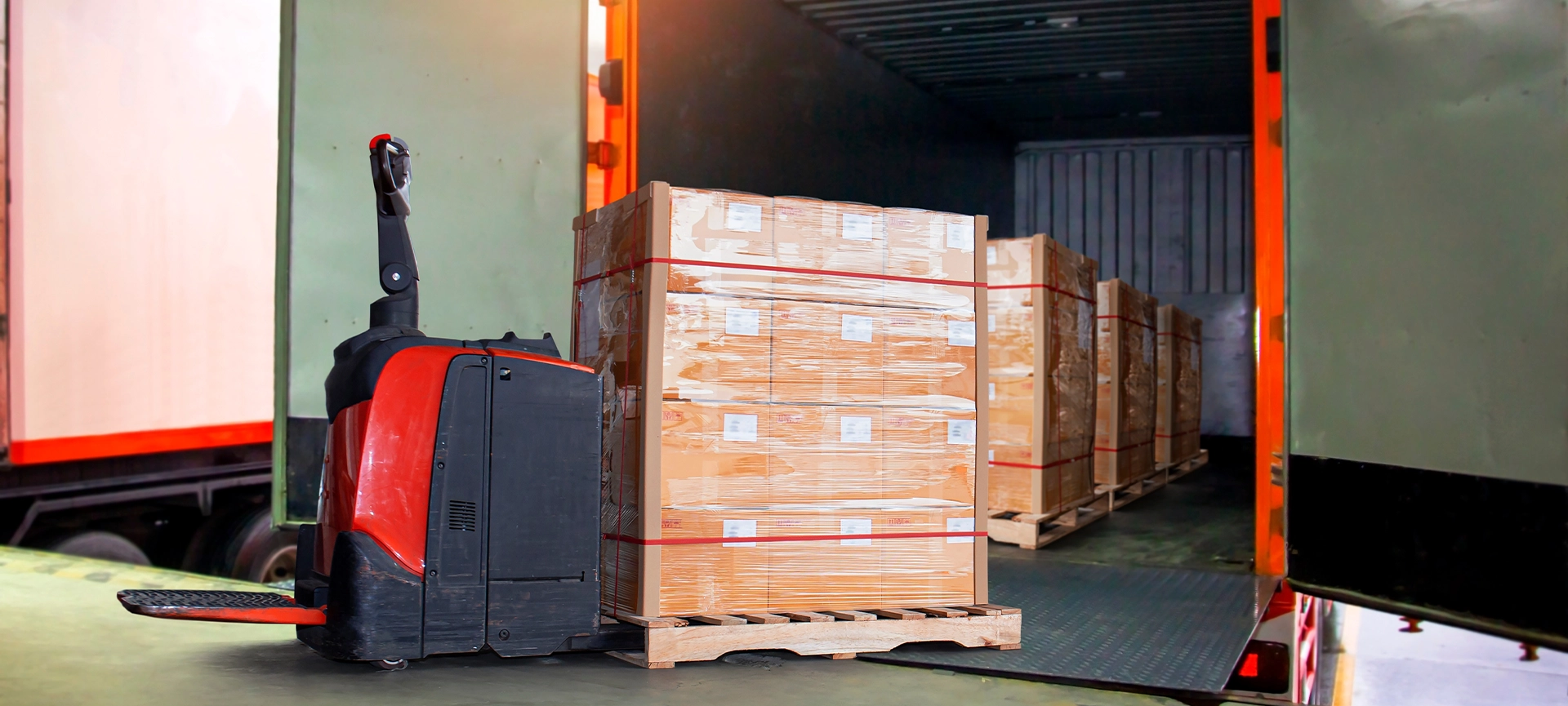
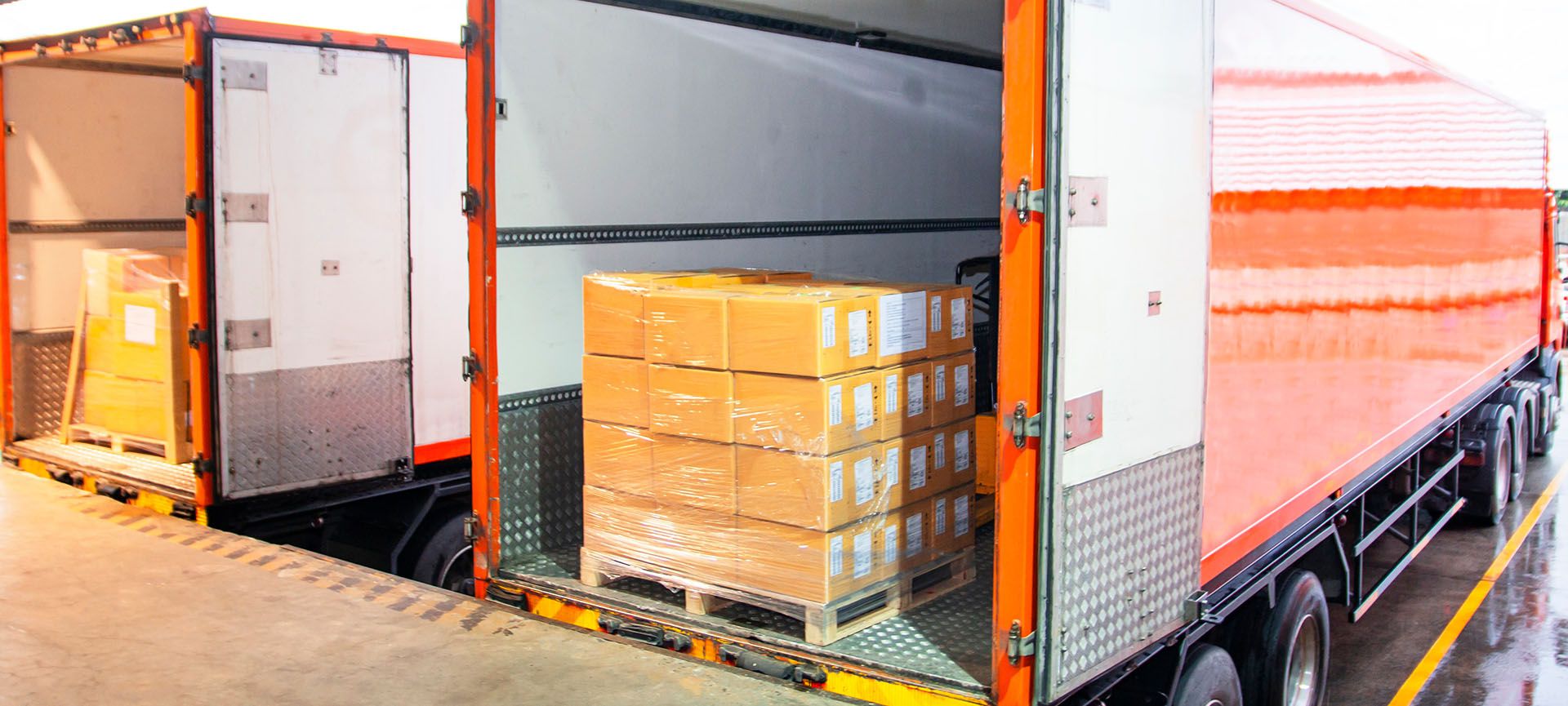
The main difference between these two shipping methods is if the total number of items that are included in the cargo will be able to fill up the available space of a trailer. FTL shipping is usually preferred to be used when all the items can be shipped with only one transaction with a shipping company. This also means that all the items included in the cargo have reached a point that they would be able to fill up the whole trailer. For an FTL shipping service, the shipping company dedicates the services of a truck and a trailer to only handle and ship all your cargo. LTL shipping, on the other hand, is needed by businesses that have some items that need to be shipped, but the total quantity is not enough to fill up all the space inside the trailer. This method aims to combine your cargo with other customers’ cargos so that they can be shipped together.
Expenses That are Incurred
This is a factor that needs more consideration before a decision should be made. With FTL shipping, you are paying for the full service of the truck and trailer that has been dedicated to handle your shipment. This will definitely cost more as compared to LTL shipping wherein you will only be paying for the space your cargo has taken up inside the trailer. With LTL shipping you share the expenses of the delivery service with random customers whose cargos are sharing the same trailer as your cargo. Sometimes the cost of availing an FTL shipping service is not feasible for a newly opened business owner. Even if the items that he wishes to ship took up all the space in a trailer, FTL shipping may not be cost-efficient for him at this time. In this case, he can decide to divide his deliveries so that he can first ship out the items with the most urgency using LTL shipping.

Logistics Process
There is a huge difference between the processes being followed by each shipping method. FTL shipping is known for its more straightforward delivery process, while LTL shipping follows the hub and spoke distribution model.
- For FTL shipping, the process usually involves a direct route with the least number of stoppages along the way. Handling of the cargo will only be done twice throughout the whole delivery process. A shipping company would send out the dedicated truck and trailer to the agreed upon pickup point. This is where the first of the two instances of handling the cargo will happen. All the items will be carefully loaded in the trailer. Afterwards, the truck and its trailer will travel directly to the destination of the cargo. A strict route and schedule will be followed by the truck. Once the truck arrives at the delivery address, the final instance of handling of the products will be done since the cargo will be unloaded.
- With the hub and spoke distribution model followed by the shipping company, the shipping company has a main distribution hub and multiple terminals that are spread-out over different local sites. The shipping company will receive the customer’s products either by receiving them at the local terminals or have a pickup agreement with the customer. Once all the cargos have been received, they are brought to the main distribution hub. This is where cargos will be carefully sorted and grouped in relation to the different destinations. Handling of your cargo may be done multiple times before they arrive at its destination. A route will be created for each truck, and this would determine which of the cargos would be unloaded first.
Related article: What are the Different Types of Flatbed Trailers?
Safety and Security
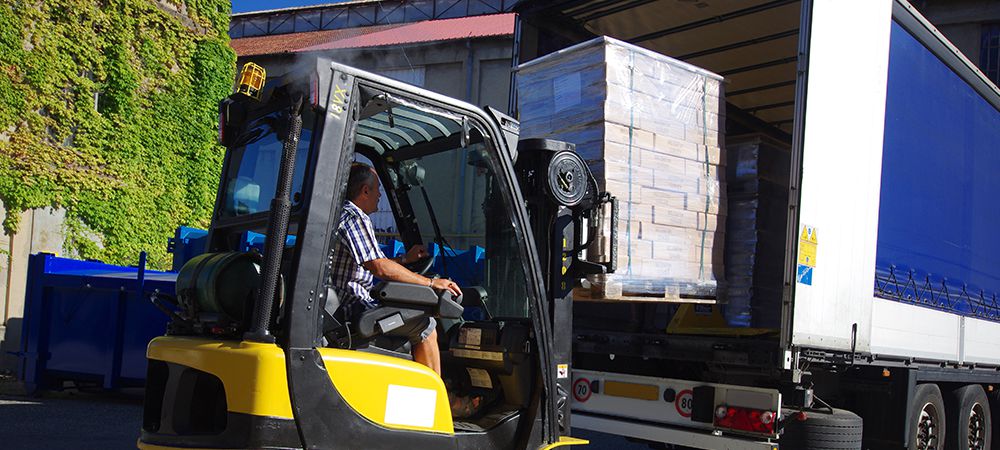
The reputable shipping companies are known to ship any type of cargo with extra care as possible. By using different kinds of cargo securement tools, the items are safely fastened on to any kind of trailer. Possibility of damages or possible loss of items usually happens during loading and unloading of items. With FTL shipping, since the handling of your items is being done only twice, you will less likely find any damaged or missing items at your destination. For LTL shipping, even if the shipping company promises that all items are handled with utmost care, you can never dismiss the fact that human errors will eventually happen. Items may get lost whenever the items are unloaded then reloaded after passing by a different location.
Duration of Delivery
Looking at the simplistic process followed by FTL shipping, you can clearly see that the items are bound to arrive at the earliest possible time after they are picked up. On the other hand, for LTL shipping, it may take some time before your items will be delivered at their destination. This will largely depend on the shipping company on how quickly it finds any other customers that are shipping items along the way to your cargo’s destination.
The Cost of LTL Shipping
It is highly recommended that you get in contact with a reputable shipping company so that they will be able to evaluate your cargo. This is an important step since the cost to ship using LTL shipping has to consider some factors like the delivery location, weight and quantity of the items to be transported, the shipping base rate, and the classification of the items included in the cargo. These factors greatly affect the amount, and you should relay as much relevant information to the shipping company to avoid any unforeseen expenses.
However, by looking at the average prices and costs within the Ontario province, a rough estimate can be seen on how much it will cost to send your cargo. You may refer to the following variable information:
- Origin of shipment: York, Ontario, Canada
- Destination of shipment: Montreal, Quebec, Canada
- Total distance to be covered: 400 miles
- Item specification: 10 units of 5.5 cu.ft. chest freezer
- Average shipping cost per mile (Canada goods and services tax, fuel surcharge, base rate, charges in relation to the declared value, and other miscellaneous charges): CAD 2.99
To get the total cost for the whole shipment, you just need to multiply the total distance to be covered by the average shipping cost per mile:
- Total distance to be covered * average shipping cost per mile
400 miles * CAD 2.99/mile
The total cost to ship the 10 units of 5.5 cu.ft. chest freezer from York, Ontario, Canada to Montreal, Quebec, Canada will be CAD 1,196.
Related article: What is the Best Way to Transport Perishable Goods?
LTL Shipping is the Feasible Option for Newly Opened Businesses
Considering that businesses regularly need to ship products to their customers, one should realize that choosing a shipping method must be carefully studied to avoid spending for unnecessary expenses. Even though sending by bulk would save a business a considerable amount of money, one must also consider the availability of funds that are allocated for the shipping of goods. There are small businesses or even newly opened ones that do not have the luxury of enforcing a payment scheme wherein customers need to pay first before the products are shipped to their locations.
New players in any industry need to gain a reputation before customers start trusting them and pay them even if the items have not yet been received. These are the businesses that need to start slowly by prioritizing which items should be delivered first while availing of LTL shipping to complete their transaction. This is a situation they need to cope with until they reach a point that their reputations will be enough for them to start using FTL shipping services for bulk order deliveries.
It is greatly recommended that you avail of LTL shipping services from a reputable logistics or shipping company within your area. This is to ensure that your items will reach your customers with no damages. By partnering with RoadLINX, we can help your business grow by ensuring that your customers will be satisfied since they will get your items as fast and as safe as possible. You can contact us at 905-760-1141.